ABOUT FOUNDER
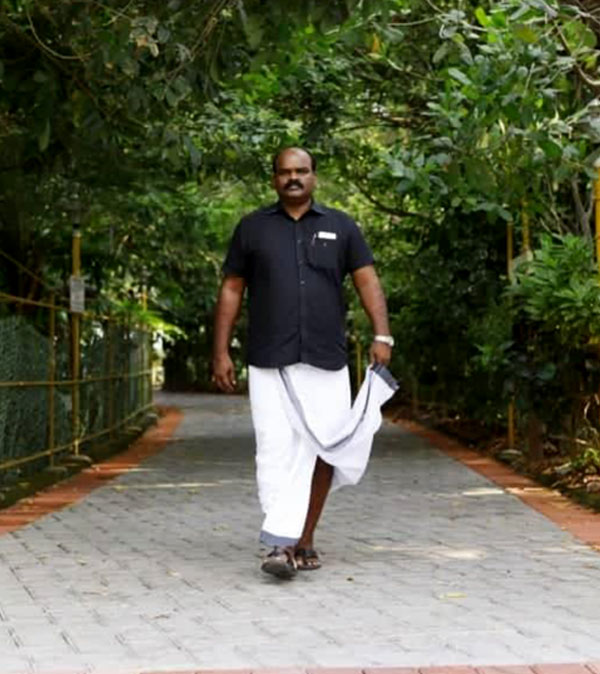
N K Kurian
N.K.Kurian, is a Civil Engineer by training who has a deep and abiding love for nature and traditional farming. He converted farmland into India’s first man-made agricultural and bio-diversity park spread over 30 acres of land in Kottayam District in Kerala State. This is the first-of-its-kind Agricultural Theme Park in the world (as per Limca Book of Records & URF World Records).
The uniqueness of the agricultural bio-diversity park is that instead of just preserving an existing ecosystem, he brought and planted thousands of different species of plants, trees, herbs, shrubs and climbers into the park and reared them.
He was anxious that traditional knowledge of the benefits of various flora, their cultivation methods and traditional agricultural technologies were getting eroded. He felt an urgent need to preserve these for the coming generations. The park was created to convey and transmit the messages of cultural, ecological, educational and traditional knowledge to a new generation.
The attractions at the agricultural bio-diversity park have been conceived by incorporating various flora related to Myths, Religions, Traditions, Cultural Aspects, and Literature. This makes the park interesting for the general public who visits the park and takes its message home with them. It helps them to acquire first-hand knowledge of thousands of species of flora, and farm animals along with traditional farming methods and techniques.